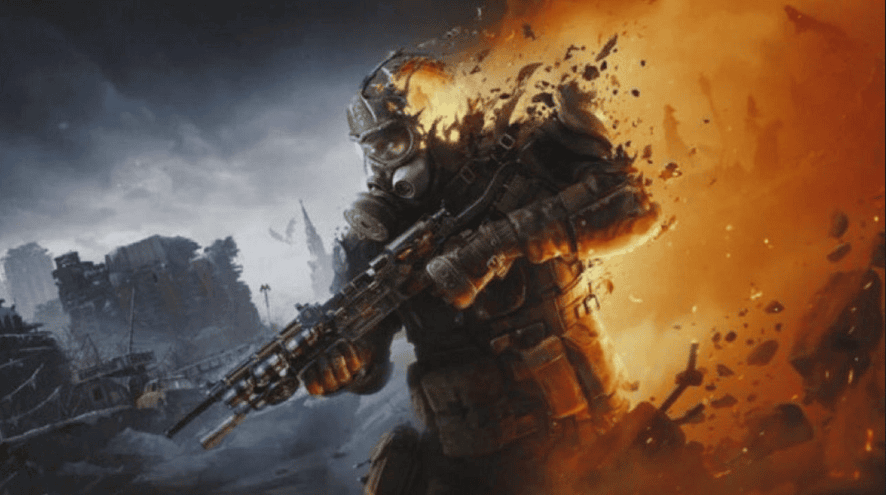

Metro 2039 is getting its first real hands on moment, and after years of trailers and short developer updates, that alone makes this a big deal. 4A Games has confirmed the game will be playable at Gamescom this August, and from what the studio has said, this isn’t a quick five minute demo tucked away in a side room. It sounds like a proper showcase.
I’ve followed the Metro series since the original book adaptation days, and if there’s one thing that stands out about this announcement, it’s the confidence behind it. Studios don’t usually hand a game to the public unless they feel good about how it plays. A short teaser is easy. A public demo where anyone can pick up a controller and judge the pacing, the gunplay, and the atmosphere for themselves is a different kind of risk. That tells me 4A Games believes Metro 2039 is far enough along to hold up under real scrutiny.
What to Expect From the Gamescom Demo
According to the official announcement, attendees will get to explore, scavenge, and survive inside Metro 2039 from August 27 through August 30. That’s a four day window, which is longer than most publishers give a game at these events. It suggests 4A Games wants people to actually sit with the game rather than rush through a scripted vertical slice.
Alongside the playable build, there will be a dedicated gameplay segment during Gamescom Opening Night Live. This is where things get interesting for anyone who has only seen curated footage so far. Most of what’s been shown of Metro 2039 up to this point has been tightly controlled, usually narrated by a developer explaining what’s happening on screen. The Opening Night Live segment should be the longest and most detailed look at the game so far, and that matters because it’s the first time we’ll really see how it plays when someone is just holding the controller and reacting in the moment, not following a rehearsed path.
Once players get their hands on it, expect a flood of impressions covering how the weapons feel, how tight resources actually are, and how exploration has been reworked compared to earlier games in the series. People will also be paying close attention to how much of the game unfolds beneath Moscow, and whether 4A Games has actually delivered on its promise to bring back the tense, claustrophobic feeling that made the original Metro 2033 so memorable. These are things trailers simply can’t answer on their own, which is exactly why this Gamescom appearance carries so much weight. It should finally tell fans whether the game is staying true to what made the series special in the first place.
A Return to Tunnels Instead of Open Landscapes
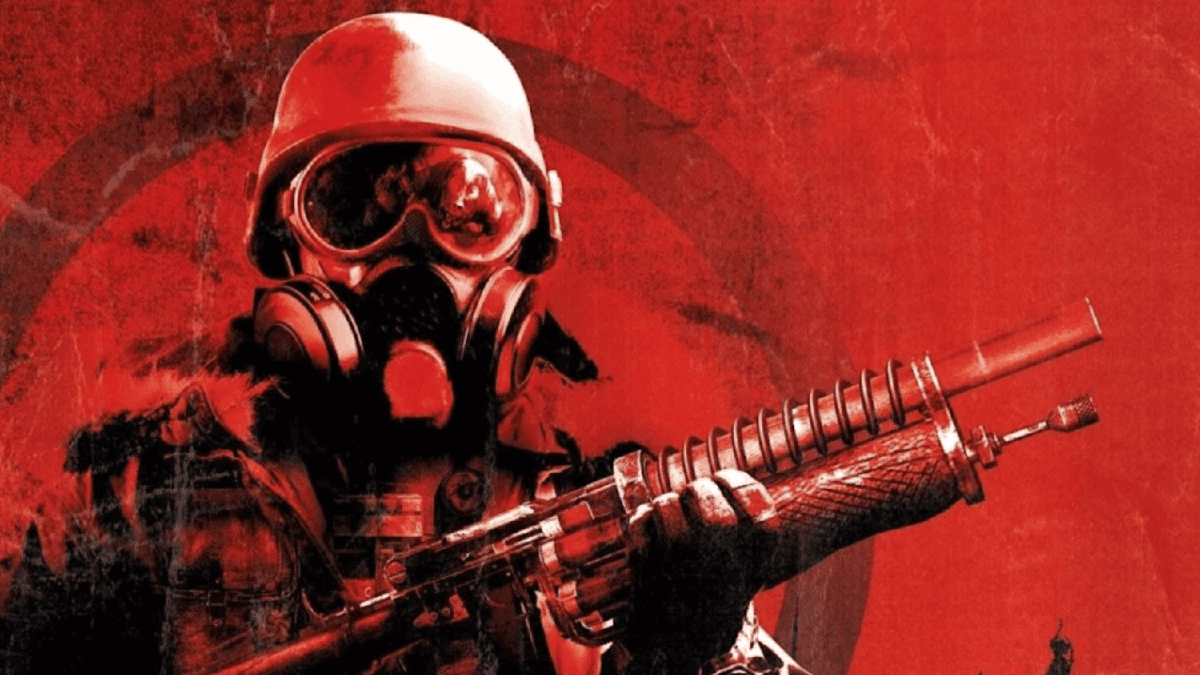
Based on everything revealed so far, Metro 2039 looks like it’s stepping back from the wider, more open approach that Metro Exodus introduced to the series. Exodus never stopped being a survival game at heart, but it also handed Artyom and the Aurora crew large outdoor regions, forests, deserts, frozen rivers, and wide open stretches of land where you could scope out enemy camps from a distance and plan your approach before committing to anything.
Metro 2039 seems to be going the other direction. Rather than leaning on big outdoor areas, the game appears set to put you back inside tunnels, occupied stations, forgotten maintenance corridors, and the tight, oppressive spaces that defined the very first Metro game. That doesn’t mean every level will turn into a straight hallway or that open exploration disappears entirely. It just means the overall design philosophy is shifting closer to where the series started. The world feels built around uncertainty again, around limited visibility and the constant pressure that comes from surviving underground, cut off from the surface.
On top of that, you’ll be living inside a society run by a powerful political system that controls nearly every part of daily life. Instead of a story about escaping the Metro, the underground itself becomes the central focus again. This isn’t just nostalgia for old locations either. It’s also a return to the harsher, more uncomfortable tone that softened a bit as the series moved forward with each release.
Life Under a New Regime
Metro 2033 dropped players into stations that were filthy, overcrowded, and barely holding together, where people survived however they could. Nobody was relaxing between missions in those places. Families lived right next to leaking pipes, kids played close to armed guards, and markets, livestock pens, and military checkpoints all crammed into the same tight spaces.
Metro 2039 looks ready to bring that same level of desperation back. Stations are reportedly governed through propaganda and fear now, with civilians living under constant watch from a regime that insists it’s the only thing standing between humanity and extinction.
That setup gives the Gamescom presentation a very different feel compared to the massive, action heavy demos that usually get used to introduce new shooters at these events. Instead of leaning purely on combat, the strongest way to introduce this world might just be letting players spend time inside these stations before any fighting even starts. Watching soldiers stop and search civilians, hearing propaganda broadcasts over loudspeakers, and seeing how ordinary people get by under this new system could say more about the state of the world than another long shootout ever could. Those quieter moments would go a long way toward showing just how much life inside the Metro has changed.
They’d also help explain how deeply one man’s rise to power has reshaped a society that once viewed him as something close to a legend. That shift is turning into one of the more significant story threads in Metro 2039.
Hunter’s Transformation Is the Heart of the Story
Longtime fans will remember Hunter from Metro 2033, introduced as one of the Rangers’ most respected veterans and one of the toughest people Artyom had ever come across. He was disciplined, fearless, and never hesitated to head straight into the most dangerous corners of the Metro. His outlook was simple and blunt: if something looked hostile, it needed to be dealt with immediately. Back then, that mentality made sense. It was the mindset of someone who had spent years surviving among deadly mutants and dangerous factions beneath Moscow.
Metro 2039 seems intent on exploring what happens when that exact mentality gets handed the keys to an entire government. Hunter now runs Novorike, a regime that appears to have taken his personal beliefs and turned them into official policy. The government rules through fear, feeds its citizens a steady stream of propaganda, and prepares the population for war against what Hunter describes as a terrifying enemy. He promises that strict discipline will eventually let humanity return to the surface, but everything shown so far hints that these promises are really just cover for repression, militarization, and the elimination of anyone seen as a threat to his authority.
Hunter has effectively become an authoritarian leader, and Novorike leans on the usual tools of that kind of rule, huge banners, staged rallies, heavy use of military imagery, and carefully worded messaging designed to convince people they’re living through a historic fight for survival.
Star Wars Zero Company Characters Revealed: What We Know Before the August Gameplay Preview
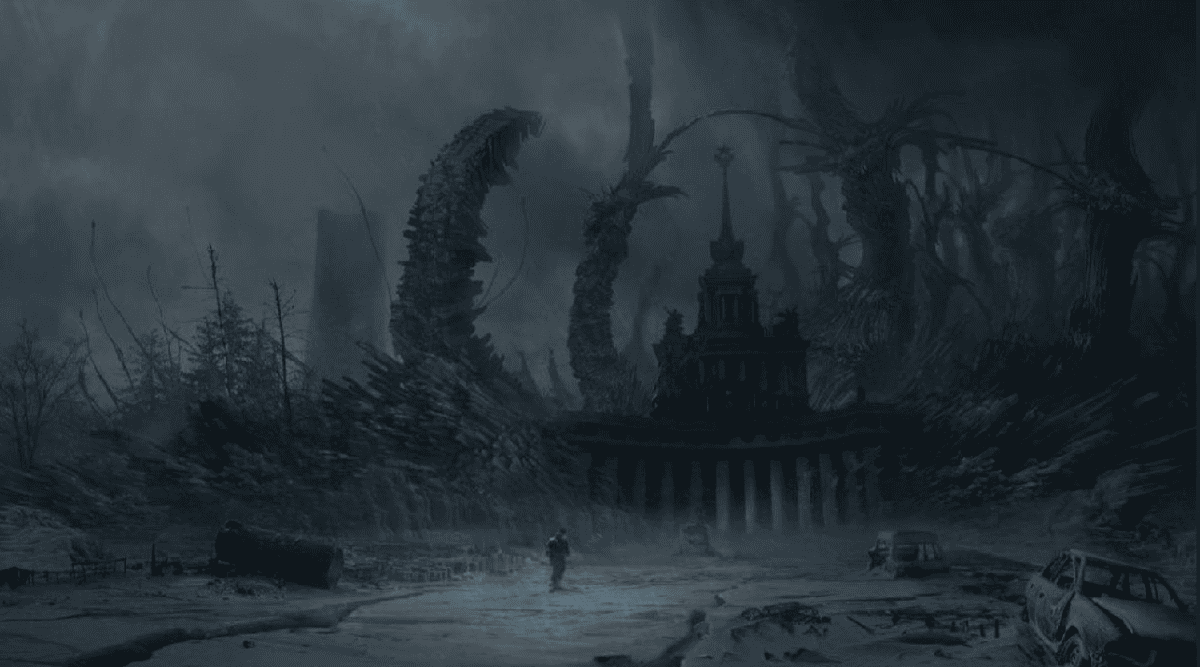
The Metro series has tackled fascist ideology before through the Fourth Reich, but this time it hits differently because the person leading the regime is someone players already know well. Hunter once fought beside the Rangers and genuinely believed he was protecting humanity. That shared history is exactly what makes his fall feel tragic rather than just shocking. It gives his transformation a weight that introducing a brand new villain simply couldn’t match.
What makes this arc believable is that the traits which defined Hunter back in Metro 2033 never actually disappeared. They just evolved into something far more dangerous over time. His unwavering certainty, his refusal to hesitate, and his belief that survival justified immediate violence were always core parts of who he was. Metro 2039 is essentially asking what happens when those same traits get handed real political power over a frightened, desperate population. Rather than turning Hunter into a completely different character, the game appears to be following his original beliefs all the way to their most disturbing conclusion.
Why This Demo Matters for Metro Fans
Between the setting, the political story, and the return to tighter, more claustrophobic level design, Metro 2039 feels like it’s aiming to recapture what made the first game resonate with so many players. Gamescom will be the first real test of whether that ambition holds up once people are actually playing it instead of watching it. Given how much attention the reveal has already generated, expect plenty of hands on impressions, gameplay clips, and story details to surface the moment the show floor opens.