I have owned a console from every major generation since the original PlayStation, and 2026 is the first year I can remember where the console conversation online is not really about games at all. It is about business decisions. Sony just told the world it will stop making physical discs for new PlayStation games starting January 2028. Microsoft cut around 3,200 jobs from Xbox in July and either sold off or shut down several studios. Meanwhile Nintendo has spent the same stretch quietly selling nearly 20 million Switch 2 consoles and talking about game design in old fashioned terms during a Famitsu interview. That contrast is not an accident, and it is worth breaking down properly because it tells you a lot about where the wider console market is heading.
Sony Is Walking Away From Physical PlayStation Discs
On July 1, 2026, Sony confirmed something that had been rumored for a while. Starting in January 2028, the company will stop producing physical discs for any new PlayStation game. Everything released after that date will only be sold digitally through the PlayStation Store or through retailers selling download codes. Games that already exist on disc are not affected, so your current library is safe, but the shelf of new releases at your local store is going to shrink fast once that cutoff hits.
Sony framed the move in fairly dry language, saying it reflects shifting consumer preference toward digital media. The numbers back that up. Digital downloads already make up the overwhelming majority of how people buy PlayStation games, and physical disc revenue has fallen to a small single digit share of total sales. Still, the timing rubbed a lot of players the wrong way. The announcement landed only days after fans discovered that the physical edition of Grand Theft Auto 6 would ship with a download code inside the box rather than an actual disc, which made the wider industry direction feel obvious even before Sony said anything official.
There is a real cost to this shift beyond nostalgia. Physical discs let you resell a game, lend it to a friend, or buy it secondhand for less money. They also protect against delisting. Once a game only exists as a download tied to a storefront, it can vanish if the publisher pulls it, and there have already been cases where digital only titles disappeared entirely. Video game historians have pointed out that affordable, resellable physical copies were how a lot of people first got into gaming, and that door is closing a little more with each announcement like this one.
Xbox Went Through Its Roughest Restructuring in Years
If Sony’s news felt like a slow, calculated shift, Xbox’s summer was the opposite. On July 6, 2026, Xbox Gaming CEO Asha Sharma told staff the division was beginning what she called the most significant restructuring in Xbox history. Around 1,600 roles were cut that day, with the total expected to reach roughly 3,200 by the end of Microsoft’s 2027 fiscal year. That is close to a fifth of the entire gaming division.
What made this round different from earlier Xbox layoffs was not just the size but the honesty in the memo. Sharma wrote plainly that the business is not healthy and that Xbox studios were operating at margins far below comparable publishing companies. Four studios, including Compulsion Games and Double Fine, were spun off or sold rather than simply shut down, while Arkane Studios entered a formal consultation process in France that could still end in closure. This came only five months after longtime Xbox chief Phil Spencer stepped back from day to day leadership, and it followed years of acquisitions that never quite delivered the returns Microsoft expected, including the 68.7 billion dollar purchase of Activision Blizzard King.
None of this happened because Microsoft as a company is struggling financially. Microsoft’s overall net income actually grew that quarter. The problem is specific to gaming, where Xbox has spent heavily building out Game Pass and acquiring studios without generating the kind of returns that justify the spending, especially with memory and hardware component prices climbing due to demand from AI data centers.
Nintendo’s Response Was a Quiet Interview, Not a Press Conference
While its two biggest competitors were dealing with layoffs and format changes, Nintendo’s biggest news moment of the summer came from something much smaller. Shigeru Miyamoto, the designer behind Mario and Zelda, sat down with Famitsu for the magazine’s 40th anniversary and talked mostly about game design philosophy rather than business strategy. He said he was pleased the original Switch had lasted more than a decade on the market and pointed out that players today care less about raw hardware specifications and more about whether they can simply buy a game and have it run properly on whatever hardware they already own.
Star Wars Zero Company Characters Revealed: What We Know Before the August Gameplay Preview
That statement sounds simple, but it explains a lot about how Nintendo builds hardware. The original Switch never tried to compete with PlayStation or Xbox on graphical horsepower. It won by being flexible, portable, and reliable enough that people kept buying software for it year after year. The Switch 2 follows the same logic. It is not as powerful as a PlayStation 5 or Xbox Series X, and most third party ports do lose some frame rate compared to those consoles, but the visual difference is often smaller than people expect, and the ability to undock the system and keep playing on a train or a couch matters more to a lot of buyers than a few extra frames per second.
The Sales Numbers Back Up the Strategy
Talk is cheap, so it helps to look at what Nintendo has actually sold. According to Nintendo’s own fiscal year results, the Switch 2 reached 19.86 million units worldwide by March 31, 2026, less than a year after its June 2025 launch, and comfortably beat Nintendo’s own forecast of 19 million. In the United States specifically, tracking firm Circana reported the console closed its first 12 months at 5.9 million units, making it the second fastest selling video game system in that firm’s history going back to 1995. Only the Game Boy Advance sold faster in its debut year, and that record has stood since 2001.
The original Switch has not slowed down either. It had sold roughly 155.92 million units as of the same date, putting it within reach of the Nintendo DS as the company’s best selling hardware of all time. Software sales tell a similar story. Mario Kart World reportedly sold around 14.7 million copies by March 2026, an attach rate well above what Mario Kart 8 Deluxe achieved on the original Switch during a comparable stretch. None of this happened because Nintendo tried to outmuscle Sony or Microsoft on technical specifications. It happened because the company kept betting on accessible, well supported hardware paired with games people actually wanted to keep playing.
Nintendo Never Really Joined the Live Service Race
One of the clearest differences between Nintendo and its two main competitors is how much of their business depends on live service spending. Sony’s own financial disclosures show that add on content, things like battle passes, cosmetics, and microtransactions, now brings in more revenue than digital and physical game sales combined. That is a huge shift from a decade ago when boxed game sales were the whole business. Xbox has leaned even harder into a subscription model through Game Pass, and Sharma’s memo directly blamed thin margins tied to that model for part of the current restructuring.
Nintendo has largely stayed out of that race. Its major franchises, Mario, Zelda, Metroid, Animal Crossing, and Pokemon, are still sold mostly as complete games rather than ongoing services stuffed with microtransactions. Even when Nintendo experiments with genres that usually lean heavily on live service monetization, like the looter shooter genre with Splatoon: Raiders, the company tends to build something closer to a traditional, self contained experience rather than a game designed around endless spending. That is not a moral stance so much as a business one. Nintendo makes its money selling hardware and software people are happy to pay full price for, not from squeezing extra purchases out of players after the fact.
Metroid Prime 4 Shows Nintendo Will Spend Time It Does Not Have To
Miyamoto’s Famitsu comments also touched on something that is easy to miss when people talk about Nintendo strictly in terms of sales charts, which is the company’s willingness to blow past its own timelines rather than ship something mediocre. Metroid Prime 4 is the clearest recent example. Nintendo scrapped an earlier version of the game entirely and handed development back to Retro Studios in the United States, pushing the project from a planned Switch release all the way into the Switch 2 era. That kind of decision is expensive. Development teams do not work for free, and every extra year adds real cost with no guarantee the game will earn that money back.
Most publicly traded companies would have shipped the earlier version rather than eat that cost, especially with shareholders watching quarterly numbers closely. Nintendo chose to protect the reputation of one of its oldest franchises instead. Whether that decision pays off financially is genuinely uncertain, but it lines up with what Miyamoto said in the interview about disliking business language like depreciation and cost recovery, and preferring to let the creative side of the studio push back against pure financial pressure when it matters.
Remakes and Nintendo Switch Online Are Filling a Real Generational Gap
Another theme from the Famitsu interview was Nintendo’s growing appetite for remakes, and Miyamoto gave a fairly practical reason for it. A lot of younger players have simply never touched games that came out five or ten years ago, and a remake with modern presentation gives those players an easy way in without asking them to tolerate outdated graphics or clunky controls. There is a rumored remake of The Legend of Zelda: Ocarina of Time reportedly being planned close to the release window of Grand Theft Auto 6, which would be an unusually bold move considering how much attention Rockstar’s game is expected to absorb. Most publishers would avoid that kind of direct calendar overlap, but Nintendo has rarely built its release schedule around what its competitors are doing.
Nintendo Switch Online plays a similar role for older catalog titles. Instead of remaking every classic, the subscription service lets players access games from the NES, SNES, Nintendo 64, and Game Boy eras directly, which keeps that history accessible without requiring a full remake for every single title. For a kid who grew up on Switch 2 graphics, the jump back to a Nintendo 64 game can feel like a big leap, and Nintendo Switch Online at least gives them an easy, official way to experience that history rather than leaving it buried on old hardware nobody still owns.
Nintendo Kept Making Physical Games While Sony Stepped Away
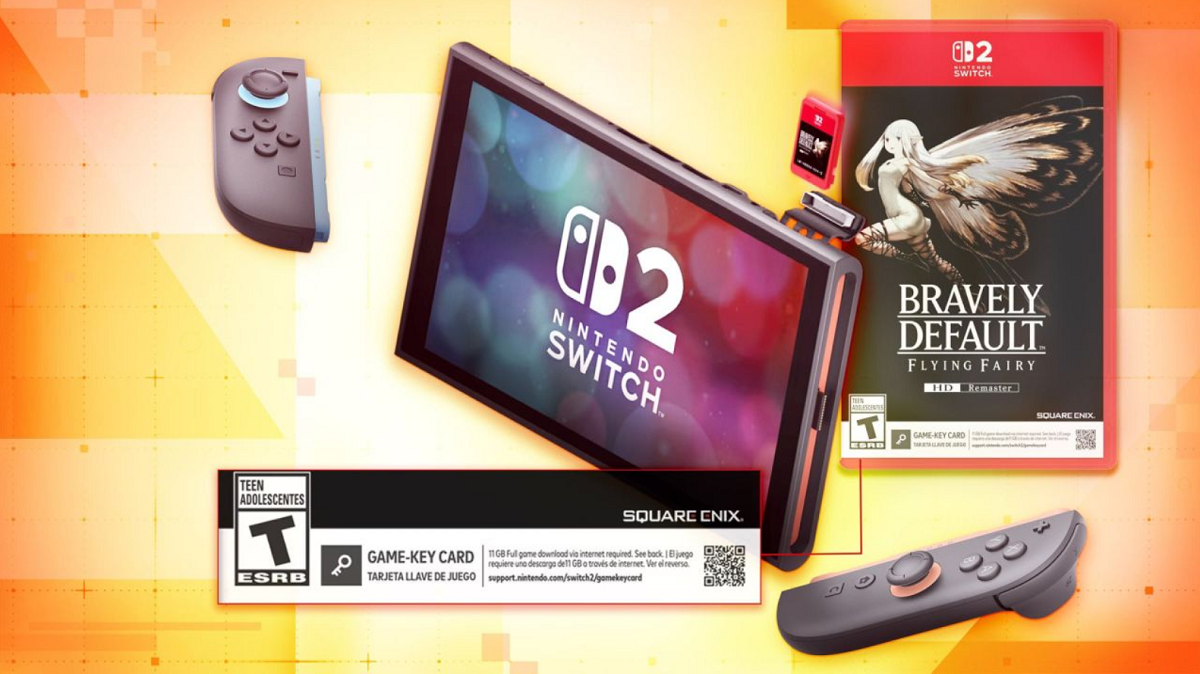
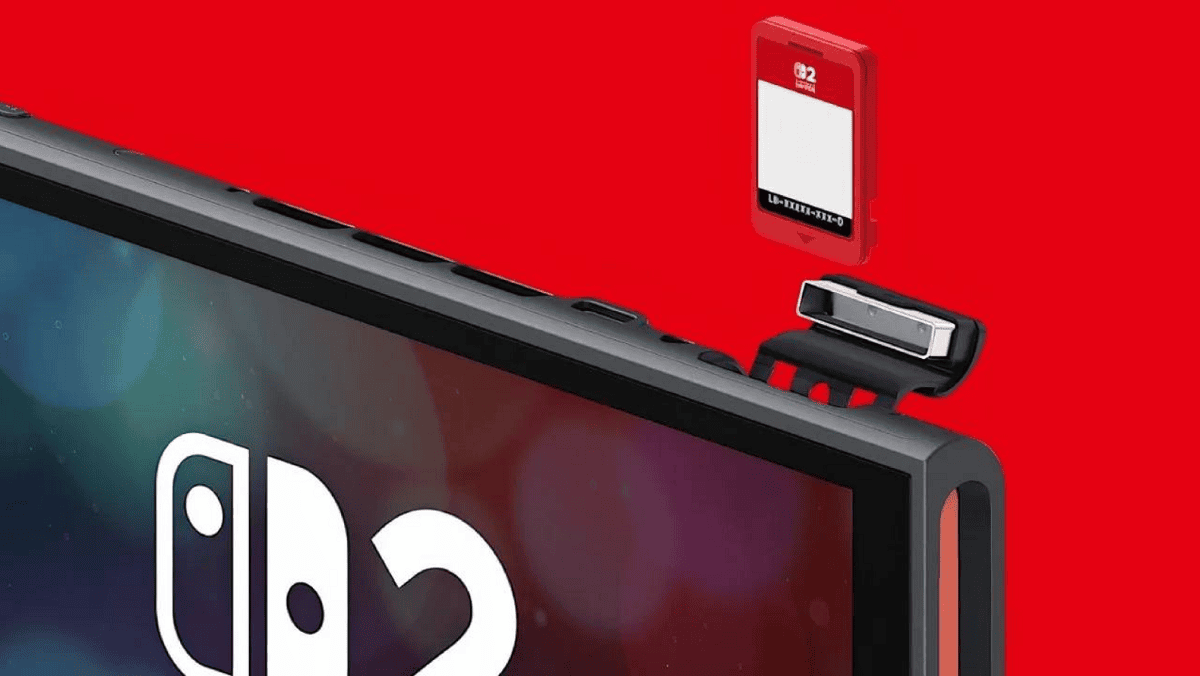
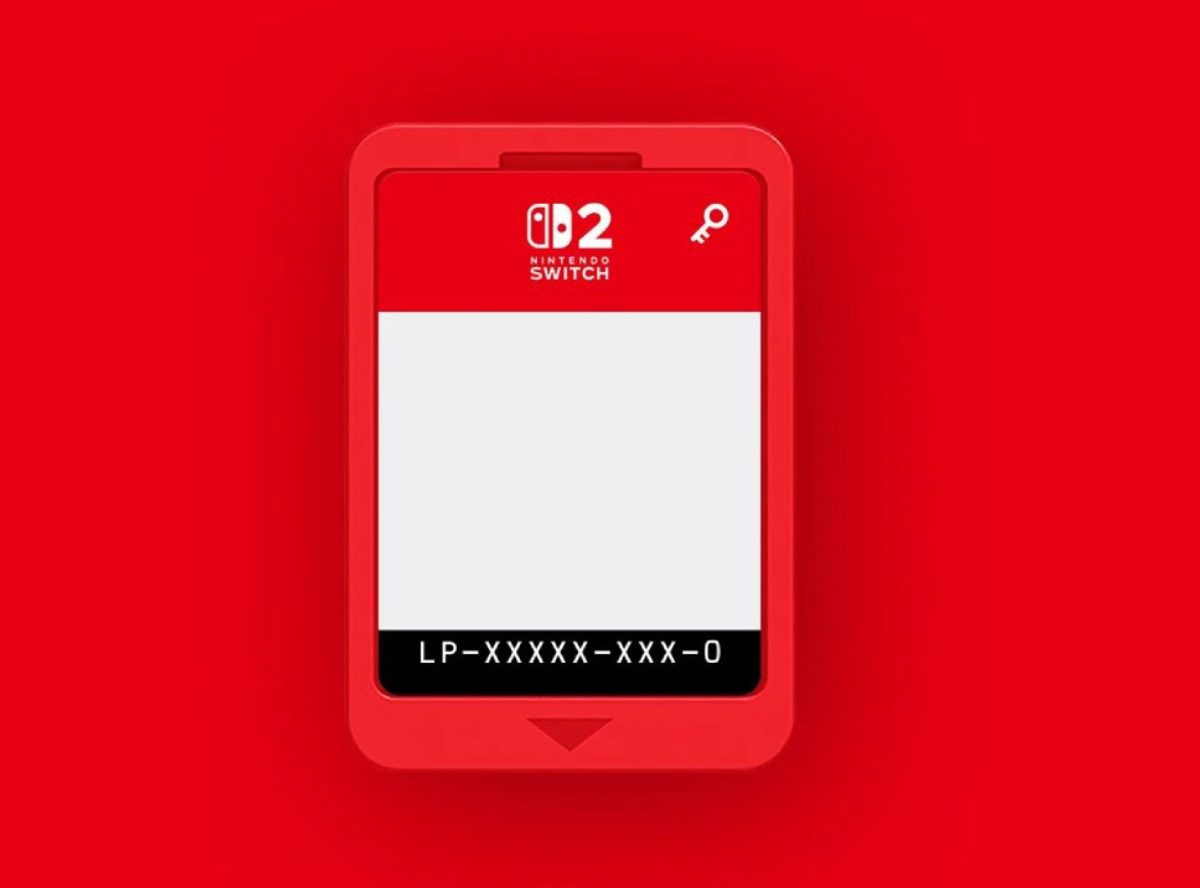
The physical media gap between Nintendo and its two competitors has become one of the sharpest differences in the industry. Sony’s January 2028 disc cutoff and Microsoft’s long standing digital first push through Game Pass both point toward a future where owning a physical copy of a new game becomes rare outside of Nintendo’s ecosystem. Nintendo has stuck with physical cartridges, even as it introduced Game Key Cards, a format that stores only part of a game’s data on the cartridge and requires downloading the rest. That approach has drawn criticism, and fairly so, since it blurs the line between a true physical copy and a glorified download code. Even with that criticism, Nintendo still allows those cartridges to be resold, traded, and collected in a way that a pure digital purchase never can.
Part of the reason Nintendo can afford to stick with physical retail is that its business does not depend on software sales alone. The company still moves a large volume of hardware, controllers, amiibo figures, and accessories through retail stores, so keeping shelf space relevant matters to Nintendo in a way it may not for Sony or Microsoft going forward. That retail presence gives Nintendo a reason to keep physical media alive even as competitors quietly step back from it.
Nintendo Mostly Sat Out the Trends That Did Not Last
It is also worth noting what Nintendo chose not to chase. During the peak of interest in the metaverse and NFT collectibles a few years ago, plenty of major entertainment companies made public commitments to those technologies, sometimes under pressure from investors who wanted to see a piece of whatever was trending. Nintendo largely avoided major investment in either trend. Once interest cooled off, companies that had spent heavily on metaverse platforms or NFT integrations were left holding projects nobody wanted anymore. Nintendo’s caution there was not glamorous at the time, but it looks like a smart decision in hindsight, and it fits the same pattern of the company preferring long term franchise health over chasing whatever headline is dominating gaming news that particular month.
Nintendo Still Has Real Problems Worth Mentioning
None of this means Nintendo is running a flawless operation. Prices on Nintendo software rarely drop, which frustrates players who are used to seeing PlayStation and Xbox titles go on sale within a few months of release. Joy Con drift, the well documented issue where analog sticks register phantom movement over time, has continued to affect newer hardware, and Nintendo has faced ongoing criticism for aggressively shutting down fan made projects, ROM sites, and community tools, sometimes even ones built by fans out of genuine love for older Nintendo games. Anyone recommending Nintendo hardware honestly needs to mention these issues rather than pretend the company has no flaws.
Even with those problems, the scale is different. Joy Con drift is an annoying hardware defect. Thousands of layoffs and the sale of entire studios is a structural business crisis. Those two things are not really comparable, and that gap is exactly why Nintendo’s approach is getting more attention right now.
What This Means If You Are Deciding Which Console to Buy
If you are trying to figure out where to put your money in 2026, the practical takeaway is fairly simple. Nintendo’s hardware strategy rewards patience and long term thinking. The Switch 2 is not going to match a PlayStation 5 or Xbox Series X on raw power, but it has proven it can run most modern third party games at a playable level while adding portability neither competitor offers. Sony still makes some of the best exclusive games in the industry, but its move toward an all digital future by 2028 means anyone who values owning physical copies should think about how that fits their habits going forward. Xbox remains a reasonable option for anyone deep into the Game Pass subscription model, but the recent restructuring is a real signal that the division is rethinking parts of its identity, and some long planned games from the affected studios may end up delayed, changed, or shelved depending on how those spinoffs and sales play out.
Personally, after using a Switch 2 alongside my PS5 for the past several months, the difference that actually affects my day to day gaming is not graphical fidelity. It is that I can pick the Switch 2 up and keep playing wherever I am, while the PS5 stays tied to my living room television. That single feature, more than any spec sheet, explains a lot of why Nintendo’s numbers keep climbing while the rest of the industry works through a genuinely difficult year.
The Bigger Picture
Gaming hardware generations used to bring huge visual leaps every few years. That gap is shrinking now, since improvements like better ray tracing or higher resolution output are becoming smaller, more gradual upgrades rather than dramatic jumps. As that trend continues, a strategy built around flexibility and long term software support, rather than chasing the newest technical benchmark, becomes more attractive rather than less. Nintendo built its entire modern identity around that idea well before its rivals started dealing with the problems they are facing today, and that timing looks less like luck and more like a deliberate, patient bet that is finally being recognized for what it is.