Beast of Reincarnation Review Date Confirmed, Plus What the Director Just Revealed About the Game

Mark your calendar. Beast of Reincarnation now has a confirmed date for when review scores go live, and it lands just ahead of launch, which gives you a short but useful window to decide if this one is worth your time.
When the Beast of Reincarnation Review Embargo Lifts
According to a recent report, the review embargo lifts on August 3rd at 5:00 p.m. Pacific, 7:00 p.m. Central, and 8:00 p.m. Eastern. That puts reviews out roughly a day before the actual release, which has become a fairly standard practice for mid to large releases lately. It gives players enough time to read a handful of opinions without the marketing push overshadowing the honest reactions.
Still, a few fans have raised an eyebrow at the timing. The main reason is simple. No console footage has surfaced yet. If you were hoping to see how the game actually runs and looks on a console before deciding whether to preorder, you might be stuck waiting until review day itself. That is a bit unusual, especially for a title that has otherwise generated a fair bit of buzz online. I have seen this pattern before with a few other releases, and it usually means either the console version is still being polished right up to the wire, or the studio wants full control over the first impression. Either way, it leaves a gap in what players can judge for themselves right now.
Why Game Freak Chose a Realistic Art Style
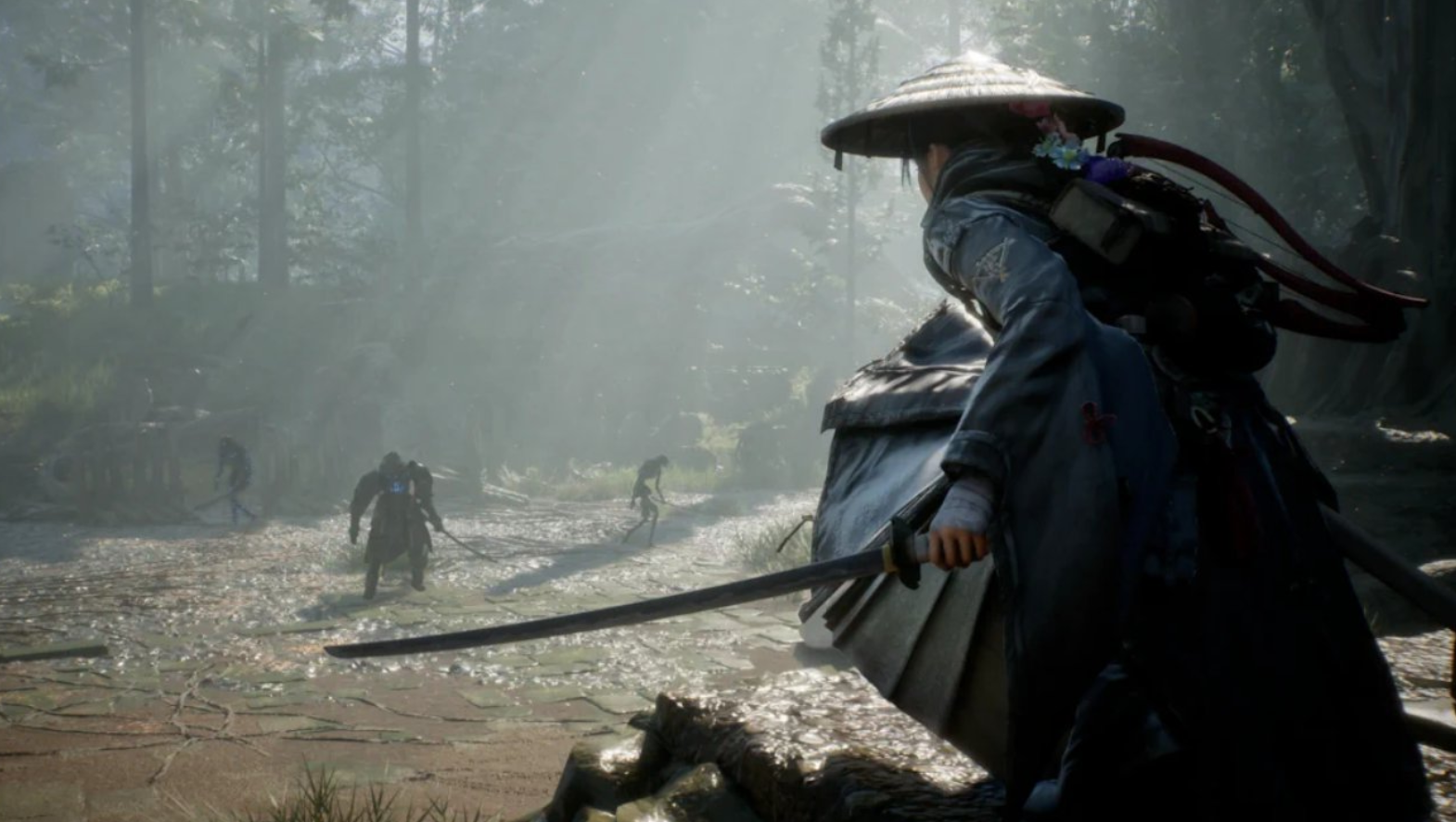
Alongside the embargo news, director Kota Furushima sat down for an interview that sheds real light on the thinking behind the game. One of the biggest talking points was the visual direction. Beast of Reincarnation leans into a far more realistic art style, a clear departure from the colorful, cartoon inspired look most people associate with Game Freak thanks to years of Pokemon games.
Furushima explained that pushing into new visual territory was part of the appeal from the start. He wanted the game to feel like it could have come from any studio, anywhere, rather than being immediately tied to a specific regional style. At the same time, he still wanted the final product to feel unmistakably like something only Game Freak could make. That is a tricky balance to strike, and it says a lot that the studio was willing to take the risk this early in a new direction.
He also did not shy away from admitting that Beast of Reincarnation looks nothing like anything else currently in Game Freak’s catalog. Rather than treating that as a problem, he seems to view it as a natural next step. His first instinct, by his own account, was to question whether a photorealistic approach even fit the studio’s identity, since Game Freak has never really built its reputation on that kind of visual fidelity. But once the prototype started coming together, he felt the more lifelike look was actually the right call for what the team wanted this game to say.
Seeing this level of detail come from a studio best known for pocket monster designs and turn based battles is honestly refreshing. It also gives a clearer picture of what the team is capable of outside the franchise most players know them for.
Emma and Koo: A Bond Without Words
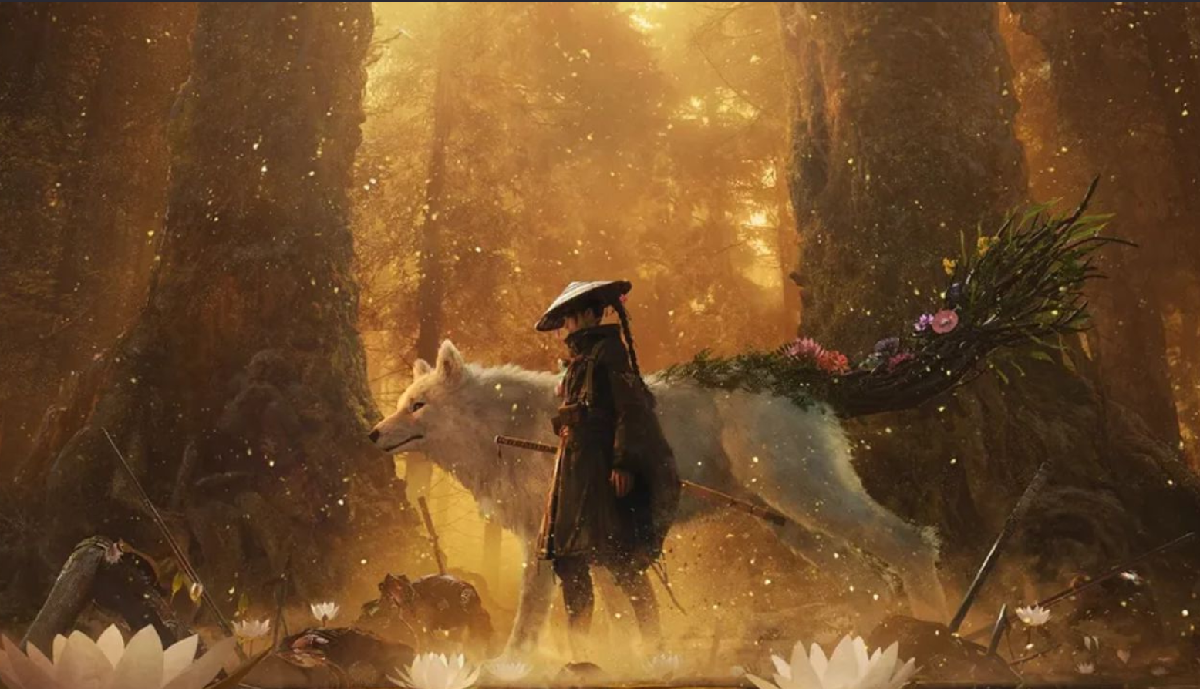
Another major part of the interview centered on the two leads, Emma and her creature companion Koo. The two cannot speak to each other, and that is not a minor detail. It shapes the entire relationship at the core of the game.
Game Freak has spent years crafting the connection between humans and creatures without relying on spoken dialogue. That experience, built largely through its Pokemon work, carried directly into this new project. Furushima called the absence of communication genuinely important to the overall experience. He explained that keeping things silent allows the game to build a specific kind of feeling, one that simply would not land the same way if the characters could talk things out or if dialogue gave players some kind of built in advantage.
Think about how strange it would feel if a creature that followed you everywhere suddenly started chatting away like a sidekick from a buddy comedy. It would likely break the immersion rather than build it. Silent companions, or ones that communicate in nontraditional ways, tend to leave more space for players to fill in the emotional gaps themselves. That said, there are exceptions worth mentioning. Mimir in God of War is a great example of a talking companion done well, adding humor and warmth without wearing out his welcome. On the other end, the constantly chatty cuff in Forspoken rubbed a lot of players the wrong way, becoming more of an annoyance than a companion people looked forward to hearing from.
Furushima made a point that stuck with me. Building a bond without words creates a different kind of connection entirely. When characters are not speaking, your imagination naturally steps in to fill the space, and over time that adds up to something that feels earned rather than told to you outright. He noted that a relationship can technically take shape just from the situations characters find themselves in together, but that only works if the underlying story is strong enough to support it on its own.
Telling the Story Through Gameplay Instead of Cutscenes
With dialogue off the table between the two leads, the team had to find another way to build that sense of partnership. Their answer was to lean heavily on gameplay itself. A lot of effort went into making sure the feeling of teamwork comes through in how you actually play, not through long cutscenes or scripted exchanges.
This is not a new idea in gaming, but it is one that only works when executed carefully. Plenty of games have told real, emotionally resonant stories purely through how they play, without spelling every detail out for the player. Demon’s Souls is a strong example of this approach done right, and Elden Ring follows a similar philosophy, letting players piece together the larger narrative through exploration, item descriptions, and environmental storytelling rather than handing it over directly.
Beast of Reincarnation is not aiming to copy that exact formula, but the core philosophy, letting gameplay carry emotional weight instead of dialogue, lines up with the same general idea. Nothing about this is proven yet, since no outside player has had real hands on time with the game in any meaningful capacity. But based on what the director has shared so far, the direction sounds promising, at least on paper.
What This Means for Game Freak’s Future
Game Freak has largely been known for one thing over the past few decades. Beast of Reincarnation stands out as something genuinely different for the studio, and if it lands well with both critics and players, it could open the door to a broader creative identity going forward. Studios that step outside their comfort zone do not always succeed, but when they do, it tends to reshape how people view everything else they release afterward.
For now, the wait continues. There is still no console footage available, and no clear sense of how well the game performs outside of whatever platform has been shown so far. A few more interviews or previews could surface before the embargo lifts, but as it stands, gameplay footage on console remains the missing piece for a lot of curious players. Once August 3rd arrives and the review embargo lifts, the wait for real, third party impressions will finally be over.
Sources: NoobFeed on console footage and preload timing, NoobFeed on the art style shift, NoobFeed on combat design, and GamesCreed on Game Freak’s new direction.