
GameStop Doesn’t Really Sell Video Games Anymore, and the CEO Just Said It Out Loud
I still remember walking into a GameStop around 2008 with birthday money burning a hole in my pocket, trying to decide between a used copy of a game and a new one that cost ten dollars more. That was the whole point of the store back then. Walls of games, a trade-in counter, and a kid like me spending twenty minutes deciding. Walk into most GameStop locations today and that experience barely exists anymore. Trading cards, Funko Pops, and glass display cases have replaced most of the shelf space that used to belong to games.
That shift isn’t just something longtime customers have noticed on their own. Ryan Cohen, GameStop’s CEO, said it plainly in a recent interview. He didn’t dance around it either. He basically said software, meaning physical video games, has become largely irrelevant to where the company makes its money now. For a brand that built its entire identity on being THE place gamers went to buy and trade games, that’s a pretty remarkable thing to hear from the person running the company.
What Ryan Cohen Actually Said About GameStop’s Direction
The comments came up during a discussion about GameStop’s ongoing pursuit of eBay. That deal talk has been floating around for a while now, and GameStop hasn’t backed off despite earlier reports suggesting eBay wasn’t interested in being acquired. Instead of walking away, Cohen seems more committed than ever, and he laid out a vision that goes way past just buying an online marketplace.
Rather than focus on upcoming game releases or new console hardware when reporters asked, Cohen kept steering things back toward collectibles, trading cards, and something he called live commerce. Even when the conversation turned to a heavily anticipated title like Grand Theft Auto VI, he didn’t linger on it. That alone tells you a lot about where his head is at.
According to Cohen, software now makes up less than 12 percent of GameStop’s total business. Collectibles, on the other hand, account for more than half. Those numbers line up reasonably well with what’s visible in public reporting on the shift toward digital game sales, even if some independent estimates put software’s share slightly higher, closer to the mid teens. Either way, the gap between games and collectibles isn’t small anymore. It’s massive.
The eBay Deal Isn’t About Building a Bigger Online Store
Here’s the part I found genuinely interesting. Cohen’s pitch for the eBay acquisition isn’t just “let’s own a marketplace.” He described a setup where physical GameStop stores act as trust hubs for eBay’s buyers and sellers. Trading cards were his go to example, and honestly, it makes sense once you think it through.
Say you want to sell a graded Charizard card or a rare Magic: The Gathering piece online. Right now you’re basically trusting a stranger on the internet to accurately describe the item, ship it safely, and not lie about its condition. If something goes wrong, you’re stuck dealing with returns, disputes, and a lot of back and forth that rarely feels satisfying for either side.
Cohen’s idea would let someone walk their card into a physical GameStop, have it verified on the spot by an employee or a machine, and then have that verification attached to the listing before it ever goes up for sale on eBay. That single step could cut down on a huge chunk of the fraud and disputes that plague online collectible markets. It essentially turns thousands of GameStop locations into local authentication centers instead of just retail shelves.
I’ve bought and sold a few cards online myself, and the anxiety of waiting to see if a buyer is happy or if a seller sent what they promised is real. A verified, in person checkpoint before shipping would solve a problem that a lot of collectors already deal with quietly.
Why GameStop Stores Look So Different Now
If you haven’t been inside a GameStop in a year or two, the change is jarring. Where there used to be rows of new and used games, you’ll now find Pokémon cards, Yu-Gi-Oh! sets, Magic: The Gathering boxes, plush figures, apparel, and general pop culture merchandise taking up most of the floor.
Some locations have gone even further and added dedicated tables and seating areas built specifically for card game tournaments and community meetups. That’s not something a store does by accident. It’s a deliberate move to make trading card games a destination, not just a product on a shelf.
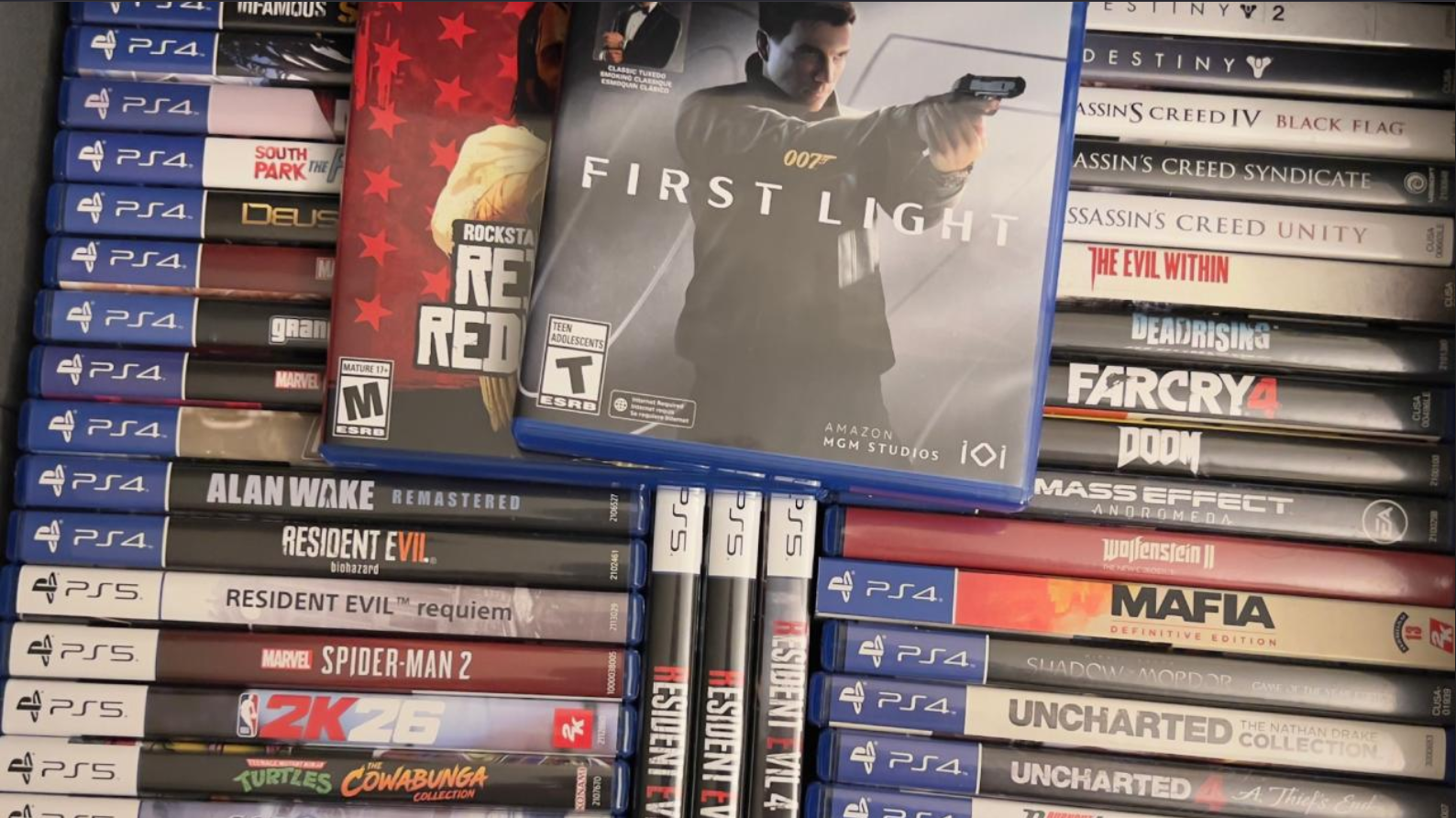
New physical game releases have also gotten noticeably harder to find. Secondhand copies are usually available in decent supply, but if you’re hoping to grab a brand new release on day one, GameStop isn’t always your best bet anymore. Retailers like Best Buy and Walmart have generally had steadier stock for new launches, and ordering online comes with its own risk of shipping delays pushing your copy past release day. There’s been chatter that GameStop is simply ordering fewer new copies of games than it used to, which tracks with everything else happening in its stores.
The Financial Reasoning Behind the Shift
None of this is happening out of nowhere. The gaming industry has been steadily moving toward digital downloads over physical media, and that trend has only picked up speed. Sony in particular has talked openly about reducing its reliance on physical discs going forward, which puts even more pressure on retailers who built their business around selling boxed copies of games.
Used games alone can’t carry a retail chain the size of GameStop anymore. That business model worked well for years, but digital storefronts, direct downloads, and cloud gaming have chipped away at the demand for physical trade ins and resales. GameStop had to find something else that could actually grow, and collectibles turned out to be it.
From a pure margin standpoint, the move makes sense too. Collectibles, especially through trade ins, tend to carry healthier profit margins than new game sales. Accessories have historically been profitable for GameStop as well, and used hardware tends to outperform new console sales in terms of margin. When you combine store closures, staff reductions, and a pivot toward these higher margin categories, it’s not surprising that GameStop has reported positive operating profit in recent periods after years of losses.
What This Means If You’re a Collector, Not Just a Gamer
If you’re mainly buying trading cards, collectible figures, or grading valuable items, this shift is honestly good news. A retailer with thousands of physical locations getting into authentication and verification could make buying and selling collectibles online noticeably safer. Right now, that space is dominated by third party grading services with long wait times and marketplaces where trust is built purely on seller reviews.
GameStop inserting itself as a verification layer between buyers and sellers on eBay could genuinely change how people shop for cards and collectibles online. It’s not hard to imagine walking into a store, having a card checked and sealed, and then listing it with a badge of verification attached. That kind of built in trust is something the current market doesn’t really offer at scale.
What Longtime Gamers Are Losing in the Process
For people who grew up treating GameStop as their go to spot after school, this transition stings a little. There was something specific about walking in, flipping through used game cases, and finding something unexpected on the shelf during the PS2, GameCube, and original Xbox years. Stores back then were built almost entirely around games. Collectibles existed, but they were a small side section, not the main attraction.
That version of GameStop is fading, and it’s probably not coming back regardless of whether the eBay deal happens. Cohen’s comments basically confirmed what a lot of us have suspected walking through stores over the last couple of years. Games aren’t the priority anymore, even if they’re still technically sold.
Where GameStop Goes From Here
Whether the eBay acquisition actually closes is still up in the air. Deals like this can fall apart for all sorts of reasons, and eBay hasn’t exactly signaled strong enthusiasm publicly. But even if that specific deal doesn’t happen, Cohen’s comments make the company’s direction pretty clear. Collectibles, authentication, and broader commerce are where GameStop sees its future, not physical game sales.
That raises an interesting question down the line. If GameStop keeps moving further from games and deeper into collectibles and marketplace services, does the name GameStop even fit the business anymore? It’s a fair thing to wonder. For now, the stores still carry the name and still sell some games. But according to the person actually running the company, that’s not really what GameStop is about anymore.
Frequently Asked Questions
Is GameStop getting rid of video games completely?
No, GameStop still sells both new and used games. However, video games now make up a small percentage of overall revenue compared to collectibles, trading cards, and other merchandise.
Why is GameStop trying to buy eBay?
Ryan Cohen has described a vision where GameStop’s physical stores act as verification hubs for items sold on eBay, particularly trading cards and collectibles, helping reduce fraud in online collectible sales.
Where can I reliably find new game releases on day one?
Retailers like Best Buy and Walmart have generally maintained more consistent stock for new physical game releases compared to GameStop in recent years.
What percentage of GameStop’s revenue comes from video games?
According to Ryan Cohen, software makes up less than 12 percent of GameStop’s total business, while collectibles account for more than half.