
I have spent a good chunk of the last few weeks going back to Top Speed after a friend mentioned he was grinding it again on his commute. I used to play it years ago on an old phone, and honestly, coming back to it now feels different. The car roster is bigger, the tracks look sharper, and the whole feel of acceleration and drift is more responsive than I remembered. This article is a full breakdown of what the game offers today, how the racing actually works, what makes the car system worth caring about, and some practical tips that helped me climb the rankings without wasting hours.
What Top Speed Is About
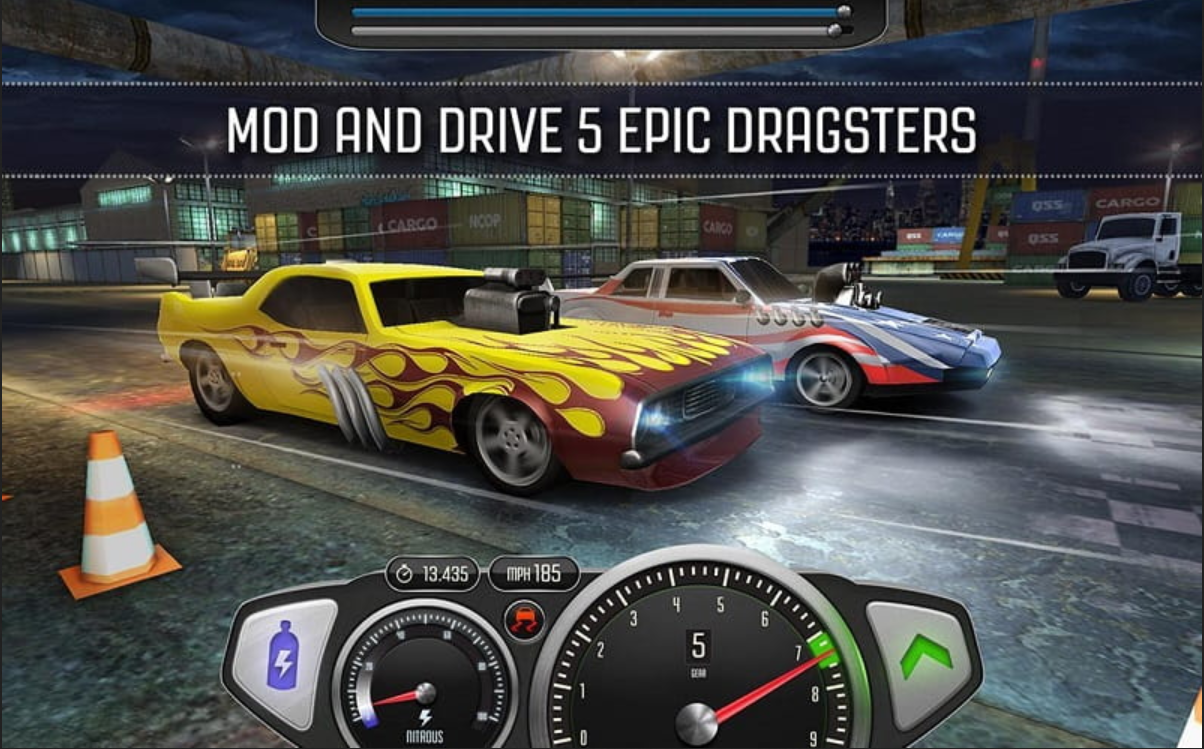
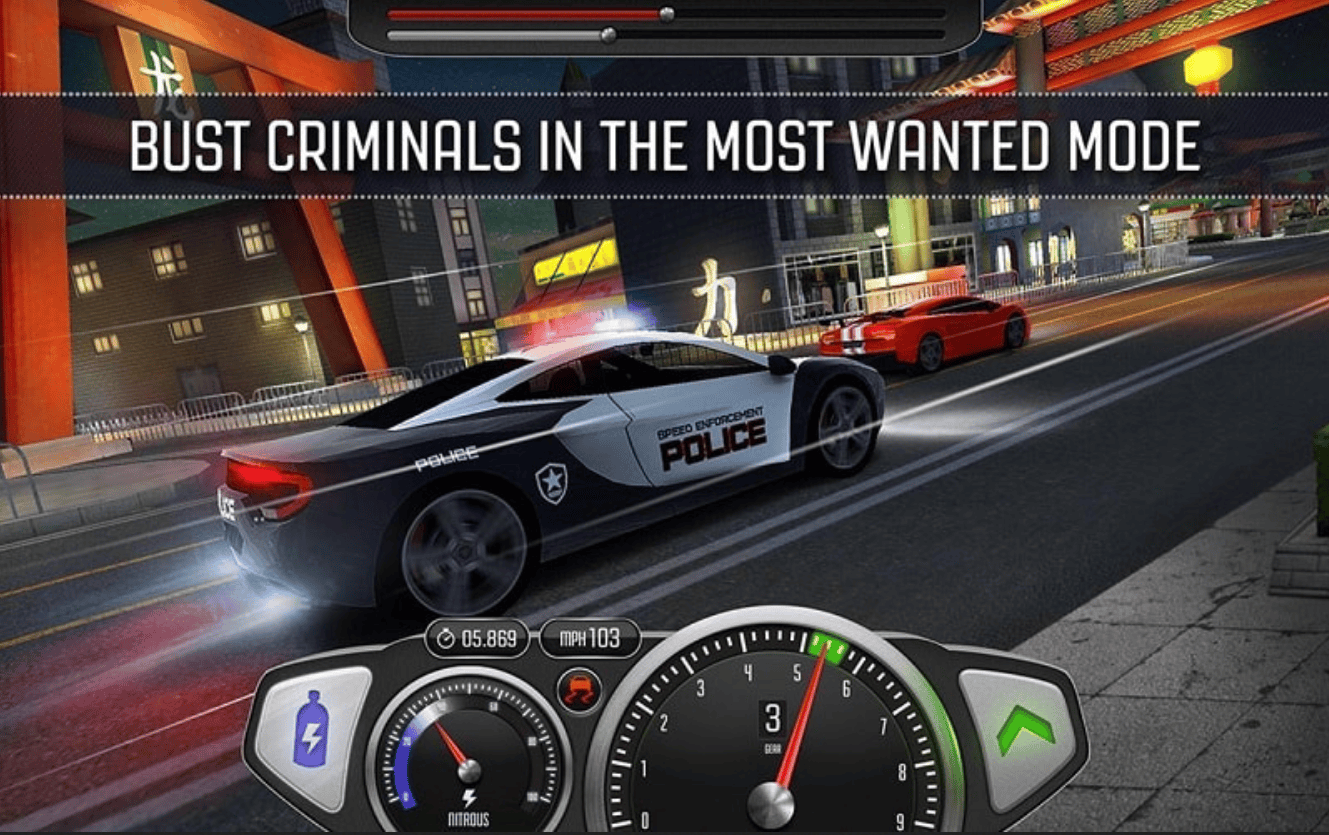
Top Speed is a racing game built around one on one matchups. Instead of throwing eight or twelve cars onto a track at once, it keeps things simple: you against one other racer, first to the finish line wins. That sounds basic on paper, but it changes how you approach every race. There is no hiding in the pack or waiting for chaos to sort out the leaders. Every mistake you make is immediately visible because there is only one rival to compare against.
The scoring at the end of each race is quick to read too. You either crossed the line first or you did not, and the game does not bury that result under a pile of stats you have to decode. For players who want fast, repeatable sessions, that structure works well. I could fit in three or four races during a lunch break without ever feeling like I was missing context.
Why the One on One Format Actually Works
A lot of racing games try to do too much at once. Track hazards, weather changes, ten opponents, power ups flying everywhere. Top Speed strips that down. The appeal is precision. A small mistake, braking half a second too late into a turn or missing a gear shift, can be the difference between first and second place. That tight margin is what keeps races interesting even after dozens of attempts on the same track.
I noticed this most on the tighter city circuits. On a wide open highway stretch, raw car speed matters more. But on a track with sharp corners, my own timing mattered just as much as the car stats. That balance between machine and driver skill is probably the biggest reason I kept coming back.
Preparing Before Every Race
Before you even get to the starting line, there is a setup phase, and skipping it is a mistake a lot of new players make. Choosing the right car for the track type, adjusting your loadout, and making sure your upgrades are actually applied all happen before the race starts. I learned this the hard way after losing three races in a row on a drag strip while driving a car better suited for cornering.
Preparation is not just cosmetic here. It genuinely changes race outcomes. Two players with the same skill level but different car setups will not have equal odds. If you want consistent wins, treat the pre race screen as seriously as the race itself.
Racing Against Real Opponents and Rising Through Ranks
Every win moves you closer to bigger competitions. Lose consistently and you stay stuck near the bottom, facing similar tier opponents over and over. This creates a natural progression loop. Early on, races feel manageable. As you climb, opponents get sharper cars and better upgrades, so you are forced to keep improving your own setup or fall behind.
What I liked is that the game does not gate this progression behind pure luck. Skill and preparation both matter. If you are patient and keep refining your car choices, you eventually start beating opponents who looked unbeatable a few sessions earlier.
Access to Bigger Cities and Tournaments
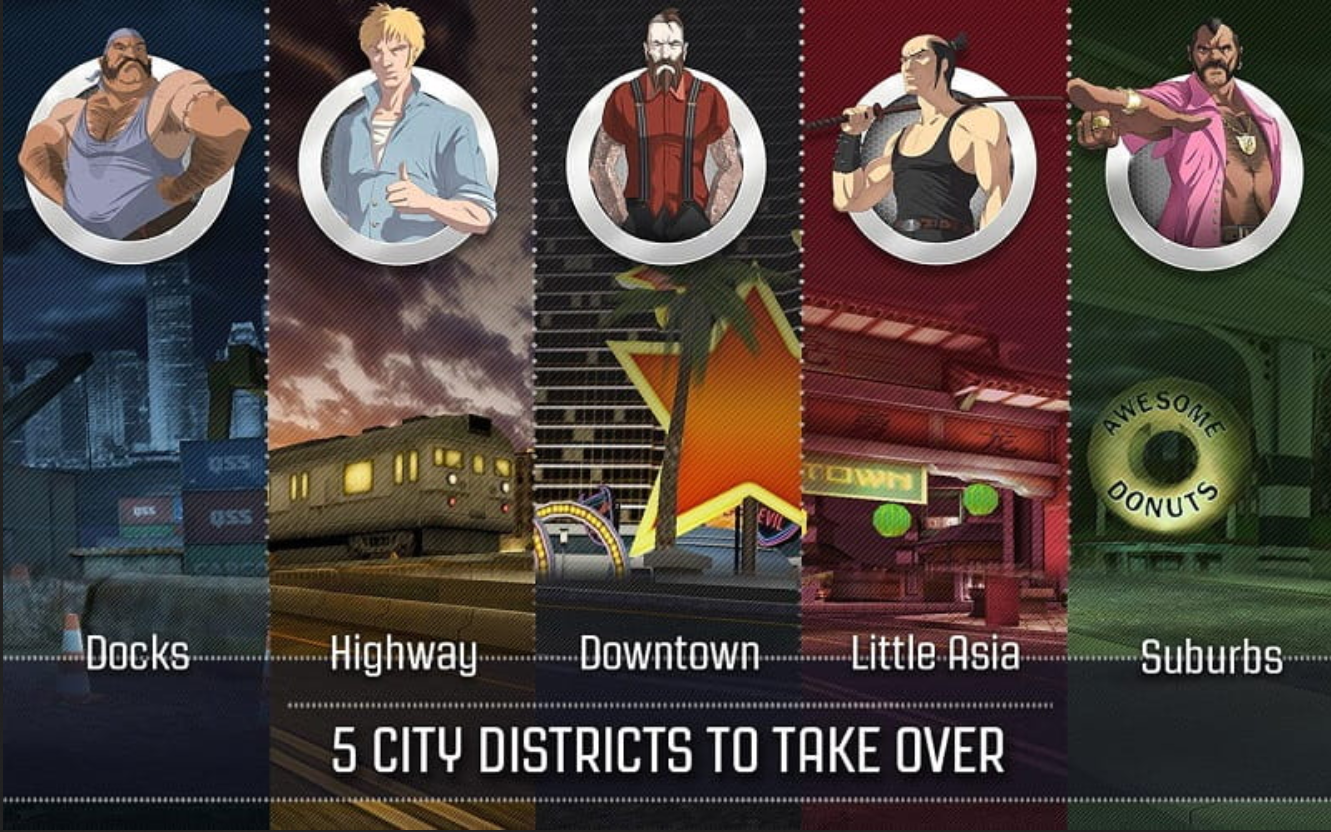
Higher tier competitions are tied to better infrastructure city environments with more polished tracks and tougher rivals. But you do not get handed access to these. You earn it by proving yourself in the lower tiers first. This mirrors real world motorsport progression in a way I found satisfying. Nobody jumps straight into a top tier competition without putting in laps first.
Once you do unlock these bigger city tracks, the visual difference is noticeable. Better lighting, more detailed backgrounds, tighter and more technical corners. It feels like a reward, not just a menu unlock.
The Car Roster: Where Top Speed Shines
If there is one part of this game that stands out above everything else, it is the car selection. The roster includes vehicles modeled after real world performance categories, and there is a genuine sense of progression as you unlock faster and more capable machines.
It is not just about how a car looks either. Under the hood, so to speak, each car has its own acceleration curve, top speed ceiling, and handling profile. A car that looks flashy is not automatically a good pick for every track. I found myself keeping two or three favorite cars in rotation depending on whether I was racing a straight highway stretch or a twisting downtown circuit.
Acceleration and Top Speed Balance
Some cars get off the line fast but plateau quickly. Others take a moment to build speed but have a much higher ceiling once they get going. Understanding this tradeoff matters a lot on longer tracks. On shorter drag style races, a car with strong initial acceleration usually wins even if its top speed is average. On longer circuits, the opposite tends to be true.
Customizing Your Car: Engines, Nitro, and Paint
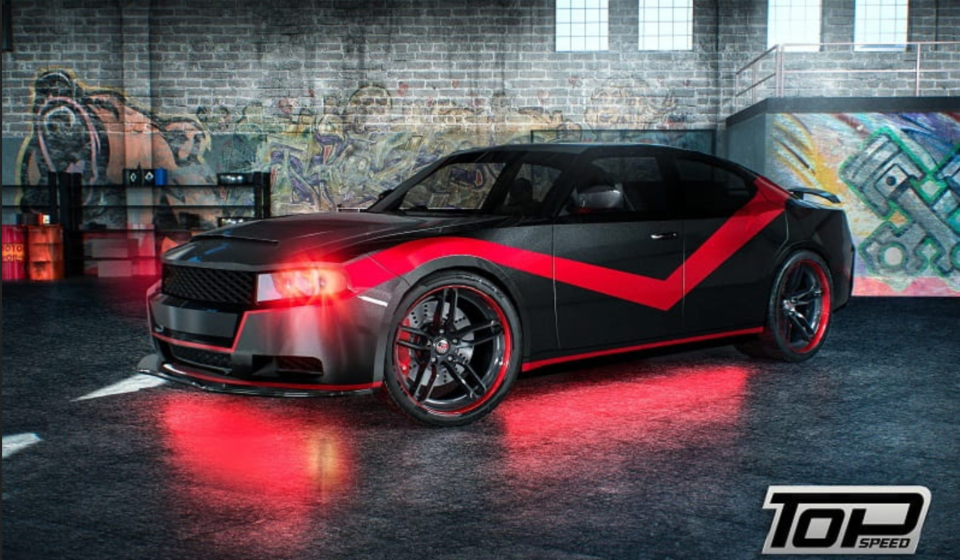
Customization in Top Speed goes beyond visual changes, though the cosmetic options are there too if you enjoy that side of it. Painting your car a different color does not affect performance, but it does let you make your garage feel more personal. I always run a dark color scheme on my main car simply because I like how it looks against the city night tracks.
The functional side of customization is where the real strategy lives. Engine upgrades increase your acceleration and top speed ceiling. Nitro boosts give you a short burst that can be the difference between winning and losing a close race, especially in the final stretch before the finish line. Managing when to use nitro instead of just mashing it the second it is available took me a while to learn. Saving it for the final straight rather than an early corner made a noticeable difference in my win rate.
Why Regular Upgrades Matter
As you move up in rank, opponents are running better upgraded cars too. A car that felt strong a week ago can suddenly feel underpowered against tougher competition. Reinvesting your earnings into upgrades regularly rather than saving them up is generally the better strategy. I made the mistake early on of hoarding currency for a new car instead of upgrading what I already had, and it cost me several races I probably should have won.
Track Variety and What Each Type Demands
The tracks in Top Speed are not identical copies with different scenery. Highway stretches reward raw speed and confident straight line driving. City circuits demand tighter control, careful braking, and good corner entry angles. Learning to read a track before the race starts, rather than reacting blindly once it begins, is one of the more underrated skills in this game.
I would recommend spending a session or two just observing a new track type before committing to a fully upgraded car for it. Understanding where the tight corners are and where you can safely open up the throttle saves you from crashing your progress on a track you have not learned yet.
Tips That Actually Improved My Results
- Match your car to the track type instead of always using your favorite car regardless of layout.
- Save nitro for the final stretch rather than using it the moment it becomes available.
- Upgrade consistently instead of saving currency for long stretches.
- Study a new track before racing on it at full commitment.
- Focus on braking timing into corners rather than just raw acceleration.
Similar Racing Games Worth Trying
If you enjoy the one on one racing format or the general car progression loop in Top Speed, there are a few other titles in the same genre worth checking out. Uphill Rush Water Park Racing takes a different approach with water based courses and more chaotic physics, while CarX Drift Racing 2 leans heavily into drift mechanics rather than straight line speed. Trying both gave me a better appreciation for what makes Top Speed’s format distinct, the simplicity of one on one racing against the more open ended styles these other games offer.
Common Questions About Top Speed
Is car choice more important than driving skill?
Both matter, but neither alone guarantees a win. A well upgraded car gives you a performance edge, but poor braking or bad corner timing can still lose a race against a weaker car driven well.
How often should I upgrade my car?
Regularly. Falling behind on upgrades as opponents get stronger is one of the fastest ways to hit a losing streak.
Are highway tracks or city tracks better for beginners?
Highway tracks tend to be more forgiving since there is less need for precise cornering. City tracks are a better test once you have built up some confidence with braking and turning.
Does nitro use affect the whole race or just a short burst?
Nitro gives a short but powerful burst of speed. Timing it near the finish line usually has more impact than using it early.
Coming back to Top Speed after a long break reminded me why one on one racing formats can be more compelling than crowded multiplayer chaos. The margin for error is small, the car customization has real strategic weight, and the progression from lower tier tracks to bigger city competitions gives the whole experience a sense of direction. If you enjoy precise, skill based racing rather than luck driven chaos, it is worth spending real time with this one.
For general information on how mobile game rankings, age ratings, and app store policies work, official platform sources like Google Play’s developer policy page and Apple’s App Store Review Guidelines are good references for understanding how legitimate racing games are reviewed and distributed.