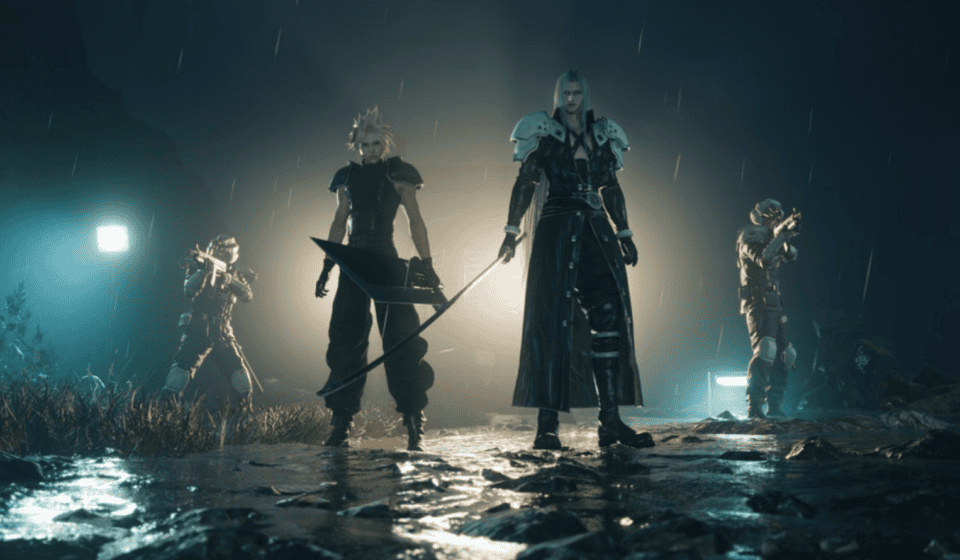
Final Fantasy VII Revelation News: Every New Detail About Cloud, Zack, and Aerith Explained

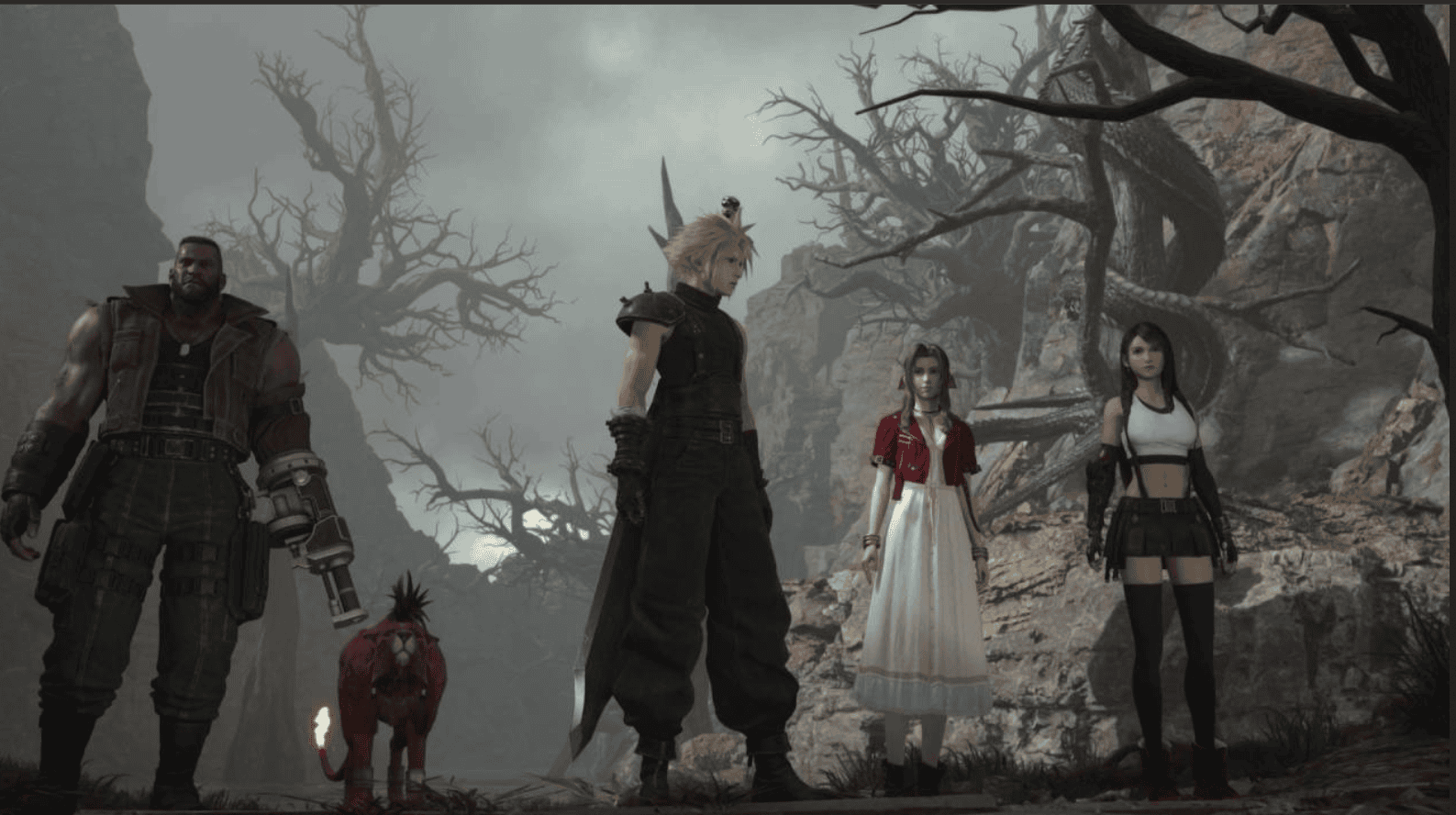
I have been following the Final Fantasy VII Remake trilogy since the first game launched, and I still remember sitting through the ending of Rebirth with my controller in my lap, completely unsure what I had just watched. Aerith’s fate, Cloud’s cracked mental state, and that strange multiverse twist left a lot of players confused rather than satisfied. So when new information started surfacing about the closing chapter, currently known as Final Fantasy VII Revelation, I paid close attention. What I found changes a lot of assumptions I had about where this story is heading.
Over the past few weeks, several pieces of information have come out through interviews, database leaks, and comments from director Naoki Hamaguchi. None of it is a full reveal, but together these details paint a much clearer picture of how the trilogy plans to wrap up its biggest storylines. This article pulls all of that information into one place, explains what it likely means, and adds context for anyone who has followed the series since the original 1997 release.
Why Rebirth’s Ending Left So Many Questions
Before getting into the new details, it helps to remember where Rebirth left things. Aerith died in the party’s eyes, yet Cloud kept speaking to her as if nothing had happened. The game split into overlapping timelines, hinted at parallel worlds, and never clarified whether Aerith was truly gone, partially saved, or existing somewhere Cloud alone could reach. Many players walked away frustrated rather than moved, because the emotional weight of that scene got buried under confusing world building.
That reaction seems to have influenced how Square Enix is approaching the final entry. Hamaguchi has repeatedly said the goal is to give players a conclusive answer rather than another open ended puzzle, and the newest details support that direction.
Cloud’s Identity Crisis Takes Center Stage
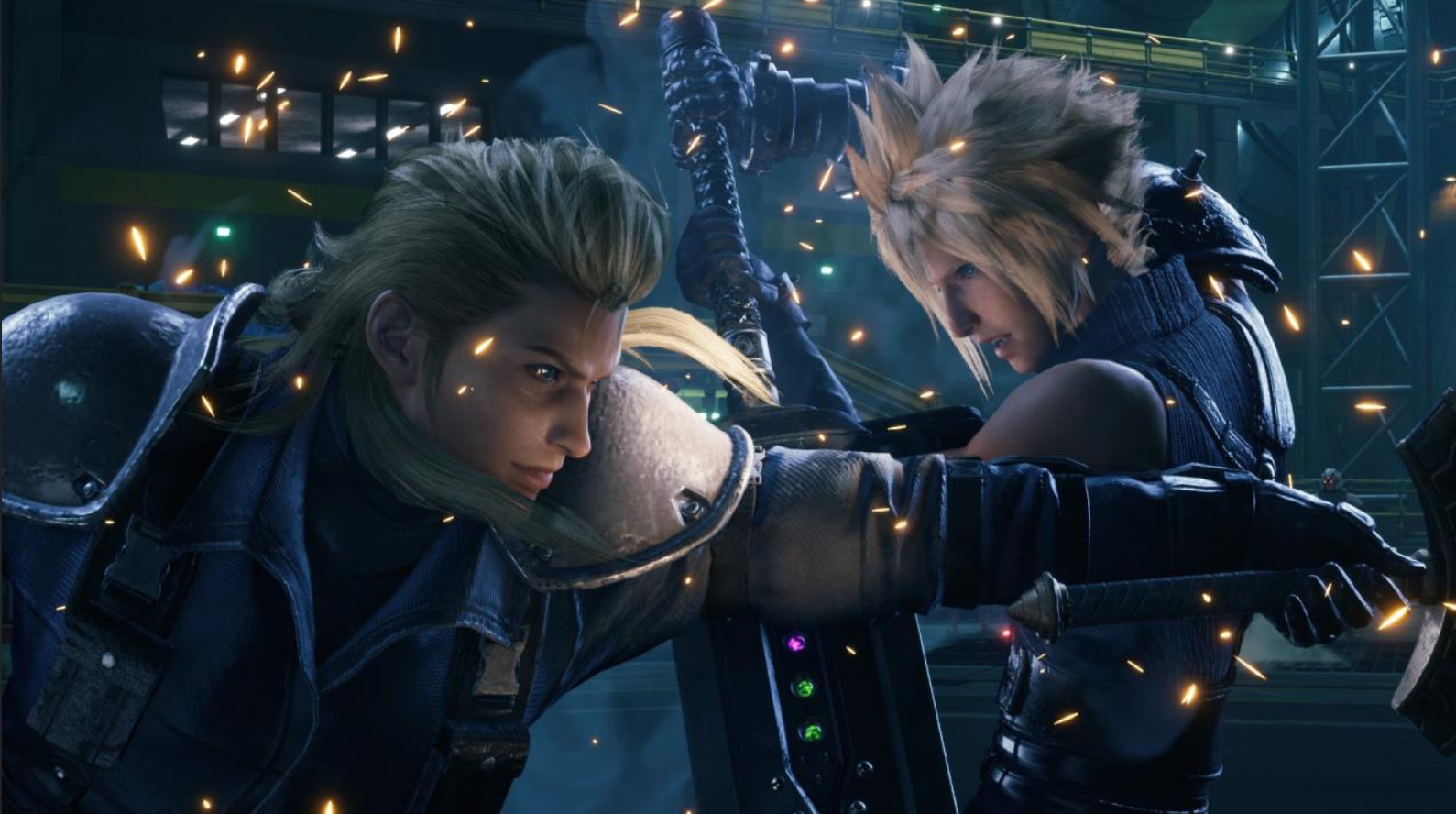
The most talked about detail so far involves a single scene that Hamaguchi says he has personally watched roughly forty times during development, and he still gets emotional every time it plays. According to his comments, this moment shows Cloud looking inward and finally confronting who he really is.
If you played the original release, this immediately calls back to the Lifestream sequence where Tifa helps Cloud piece together his shattered memories. In that classic scene, Cloud admits that he was never the hero he believed himself to be. He took on fragments of Zack’s identity after the Nibelheim incident, absorbed pieces of Zack’s memories, and built a false version of himself around them without realizing it.
What makes the new version different is that Hamaguchi specifically connected this moment to both Zack and Aerith, not just Cloud’s own backstory. That detail suggests the updated Lifestream sequence will do more than repeat the classic Nibelheim reveal. It sounds like Cloud may also be forced to witness Zack’s death firsthand and finally accept the truth about Aerith rather than continuing to avoid it. Given how unstable Cloud’s grip on reality became by the end of Rebirth, a scene like this could work as the turning point the whole trilogy has been building toward.
What This Means For Aerith’s Fate
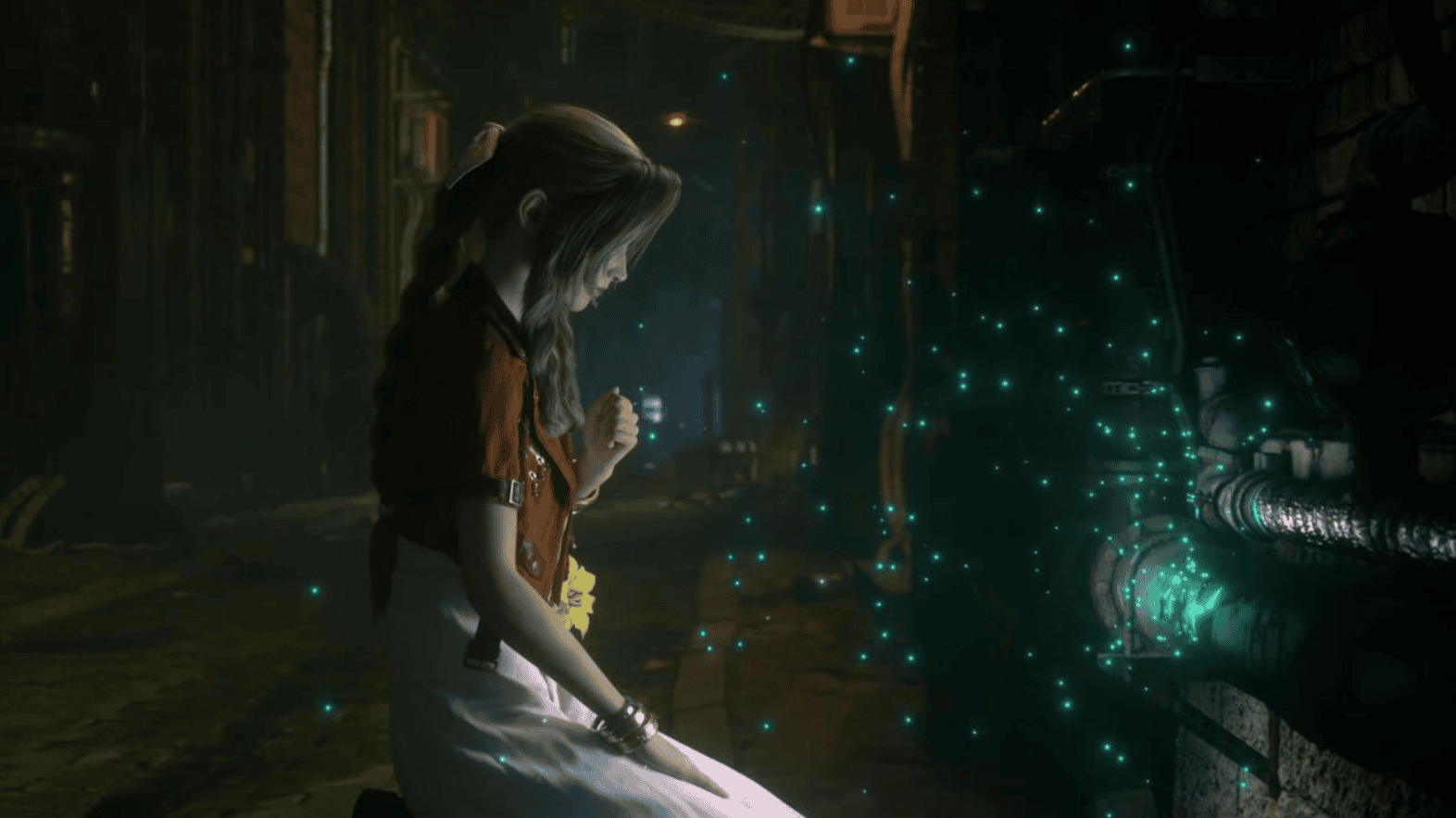
Aerith remains the biggest emotional question mark heading into the final game. Rebirth left her fate deliberately unclear. Cloud continued seeing and talking to her long after the rest of the party accepted she was gone, and the game never confirmed whether that version of Aerith was real, a memory, a Lifestream connection, or simply a symptom of Cloud refusing to process what happened.
The connection Hamaguchi drew between Cloud’s identity scene and Aerith suggests her storyline will not stay unresolved for long. It appears increasingly likely that the emotional core of Revelation revolves around Cloud finally accepting Aerith’s death rather than continuing to live in denial. Whether that acceptance comes with any form of hope, such as a version of Aerith surviving in a separate world, remains unknown, but the story finally seems ready to give players a direct answer instead of another ambiguous hint.
Zack Fair Gets A Much Bigger Role
Square Enix has already confirmed that Zack will play a far larger part in Revelation compared to his limited appearances in Rebirth. Hamaguchi avoided sharing specifics, but he did say fans of the character would be satisfied with how his arc develops.
In Rebirth, Zack mostly existed in a separate timeline and only briefly crossed paths with Cloud during the climax. Based on the new comments, that structure appears to be expanding significantly. One likely direction has Zack continuing his search for Aerith across different worlds, possibly reuniting with her in the Lifestream or making a sacrifice to prevent multiple timelines from collapsing into each other.
Port Gellhorn in GTA 6: Why This Forgotten Florida Town Might Steal the Spotlight From Vice City
This expanded role also lines up with speculation about deeper ties to Crisis Core Final Fantasy VII Reunion. Zack’s story in that game ended with his death protecting Cloud, and giving him more screen time in Revelation feels like a natural way to pay that storyline off while also connecting it to the current trilogy.
Player Choices Will Shape The Journey, Not The Ending
Another confirmed feature involves meaningful player choices throughout the story. According to Hamaguchi, decisions made during Revelation will influence certain character interactions and scenes, but they will not lead to drastically different endings. The game still funnels toward one central conclusion.
Honestly, this feels like the right call. A branching ending system where Aerith survives in one version and dies in another could easily turn an already complicated narrative into a confusing mess. Instead, the plan seems to focus on letting your choices shape relationships, dialogue, and the emotional buildup toward the final battle, while everyone still arrives at the same destination. That approach keeps the story coherent while still giving players a sense of agency over how the characters get there.
The Wider Final Fantasy VII Universe Is Coming Together
Square Enix has stated that Revelation aims to unite the broader Final Fantasy VII universe rather than simply remake the 1997 original scene for scene. Characters from Crisis Core, Advent Children, and Dirge of Cerberus are expected to appear in some form throughout the story.
Hamaguchi did not confirm exact names, but speculation has grown around characters such as Cissnei, Weiss, Nero, and Genesis. Genesis in particular remains an especially interesting case. He survived the events of Crisis Core and reappeared briefly in the secret ending of Dirge of Cerberus, yet his storyline was never resolved. If the goal really is to connect every major piece of Final Fantasy VII lore, it becomes difficult to imagine Genesis being left out entirely.
There is also the question of how Revelation connects to Advent Children. When directly asked whether the game leads into the events of that film, Hamaguchi gave a noncommittal answer and encouraged players to experience the ending for themselves. That response leaves two real possibilities. Revelation could serve as a direct lead in to Advent Children, or it could reinterpret those events entirely given how much the remake trilogy has already changed from the original story.
New DLC Listings Suggest The Story Might Continue After Launch
A recent discovery on EpicDB, a database that tracks entries connected to the Epic Games Store, revealed nine separate downloadable content listings tied to the game, including one labeled Story Expansion Pass. Square Enix has not officially confirmed any of these listings, so it is worth treating this information carefully.
Some of these entries could simply be cosmetic costumes, additional Materia packs, or preorder bonuses rather than actual story content. At this point there is no confirmation that nine full story expansions are planned. Still, the title Story Expansion Pass naturally implies something bigger than a cosmetic pack, and Hamaguchi has previously mentioned that Square Enix would consider developing additional stories if enough players show interest.
One likely candidate is a Dirge of Cerberus focused expansion built around Vincent Valentine. Since Vincent is confirmed to be fully playable in Revelation, and the wider Final Fantasy VII universe is already being folded into the main story, the setup for a Vincent centered side story already seems to be in place.
That said, most longtime fans, myself included, hope Square Enix keeps the trilogy’s core mysteries inside the main game. Aerith’s ultimate fate, Zack’s conclusion, and the explanation behind the multiple worlds deserve to be resolved as part of the base experience. Extra content exploring Vincent’s past, Genesis’s future, or entirely new post story adventures makes sense as paid content. Holding back the answers players have waited years for would be a different situation entirely.
A Bigger World With Real Consequences
On the gameplay side, players will reportedly gain access to the Highwind airship within the first five or six hours, allowing free flight across the world map and the ability to drop into locations directly. Every major region from Rebirth is expected to return, but Meteor’s approach will visibly change many of those environments through falling debris, environmental destruction, and a noticeably more dangerous atmosphere.
Personally, I hope this larger map comes with more meaningful reasons to explore rather than repeating the sometimes repetitive open world tasks found throughout Rebirth. A bigger map alone will not fix pacing issues if the side activities feel like padding again.
Combat Changes With The New Job Style System
Combat is also receiving a significant overhaul through a new system that lets characters switch combat roles by equipping different outfits. Cloud, for example, is reportedly able to take on a Black Mage style role, while characters normally associated with close range combat gain access to entirely different playstyles depending on their equipped outfit.
Vincent is expected to combine long range gunplay with his signature monster transformations, while Cid becomes a highly mobile aerial fighter specializing in spear based attacks. Rebirth already had one of the strongest combat systems in the trilogy, so this added flexibility has real potential if it stays balanced and does not overwhelm newer players.
More Endgame Content Without Forced Replays
Another welcome change involves endgame structure. Instead of requiring players to complete the entire story again on a harder difficulty before accessing the toughest battles, Revelation reportedly lets players dive straight into difficult endgame missions right after finishing the main story.
A handful of Weapon monsters will apparently appear during the main campaign itself, while others remain optional superbosses for players who want an extra challenge. Ruby Weapon and Emerald Weapon have not been officially confirmed yet, but speculation around both continues to build. If Square Enix carries over the modernized combat mechanics from earlier in the trilogy, these fights could end up being some of the most memorable battles in the entire game.
The Three Questions That Will Define This Trilogy
When you put all of this together, the entire ending really comes down to three central questions. What does Cloud finally learn about his own identity. Where does Zack’s story actually lead. What is the real, final answer regarding Aerith’s fate.
If Square Enix answers these questions clearly and gives players something emotionally satisfying, this trilogy has a real chance to end on one of the strongest notes in the series. If the story instead closes with another vague, open ended sequence, the same debates that started after Rebirth’s ending are only going to grow louder once the credits roll.
My Take After Following This Series Closely
After spending well over a hundred hours across Remake and Rebirth combined, what stands out to me most is how much this new information leans toward closure rather than more mystery. The original 1997 game earned its reputation partly because Aerith’s death actually meant something. It hit hard specifically because it was final. If Revelation manages to bring that same weight back while still respecting everything the remake trilogy has built on top of it, this could turn into one of the most memorable endings in modern gaming. I am cautiously optimistic, but after Rebirth’s ending, I understand why plenty of fans want to see it before fully believing it.
Frequently Asked Questions
What is Final Fantasy VII Revelation?
Final Fantasy VII Revelation is the working title associated with the third and final entry in the Final Fantasy VII Remake trilogy, following Final Fantasy VII Remake and Final Fantasy VII Rebirth.
Will Aerith survive in Final Fantasy VII Revelation?
Square Enix has not confirmed her fate. Based on current comments from the development team, the story appears focused on giving players a clear and emotional answer rather than leaving the outcome open to interpretation.
How big will Zack’s role be in the final game?
Square Enix has confirmed Zack will have a significantly expanded role compared to Rebirth, though exact story details have not been revealed.
Will player choices change the ending?
Choices will influence certain scenes and character relationships, but the game is built around a single central ending rather than multiple different outcomes.
Is there confirmed downloadable content for the game?
Database listings suggest possible downloadable content, including a Story Expansion Pass, but Square Enix has not officially confirmed these details.
Sources
Summer Game Fest reveal coverage,
Square Enix storyline plans,
DLC database speculation,
Combat and job system details,
Endgame content details, and
overall launch plan coverage.